The growing popularity of personal finance apps shows how technology has become a key ally in everyday money management. By integrating bank accounts, credit cards, and even investments into one dashboard, these tools allow individuals to see their financial picture clearly. Used strategically, they provide not only convenience but also discipline, helping users stay on track with budgets and long-term goals.
Still, the value of these apps depends on consistent use and informed habits. Simply downloading one does not guarantee results or improvements in financial health. Efficiency comes from knowing how to configure features, set realistic objectives, and review progress regularly. When applied with intention, personal finance apps evolve from simple trackers into powerful instruments of financial control.
Why personal finance apps make a difference
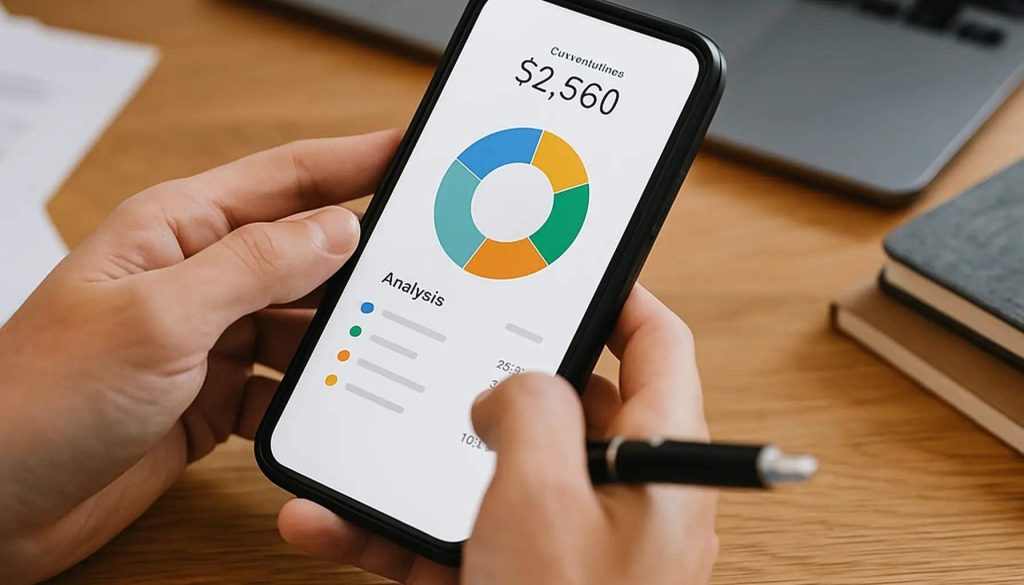
One of the main strengths of personal finance apps is their ability to centralize information from multiple sources. Instead of relying on scattered bank statements or manual spreadsheets, users can view updated data in real time with just a few taps. This visibility reduces the risk of overlooking expenses and strengthens awareness of where money is being spent each month.
They also help build accountability and responsibility. Most apps include automatic categorization, spending alerts, and detailed visual dashboards. These functions turn abstract numbers into patterns, highlighting whether income is being used productively or wasted. With this insight, individuals can make targeted adjustments and improve financial habits without waiting for a crisis to expose poor decisions.
Practical tips for better results
Making the most of these tools requires active engagement from the user. Defining goals, reviewing outcomes, and setting routines transform casual use into structured habits that support decision-making more effectively. Without this commitment, the app becomes underutilized and loses its purpose as a financial ally.
- Establish short- and long-term financial objectives before setting up the app.
- Categorize transactions weekly to maintain accuracy and clarity.
- Activate alerts to flag unusual activity or excessive spending.
- Use built-in budgeting tools to compare real spending with planned targets.
Following these practices ensures that personal finance apps are more than decorative icons on a phone. Regular interaction creates a cycle of awareness, correction, and progress. This dynamic transforms raw financial data into actionable insights that support stronger and more disciplined money management.
Balancing technology and personal responsibility
While personal finance apps offer automation and convenience, discipline remains irreplaceable. An app can identify overspending on dining or entertainment, but only the user can decide to cut back. Likewise, automated savings transfers are valuable, yet consistent deposits require determination. The best results arise when digital tools complement mindful behavior, forming a partnership between technology and responsible choices.
Choosing the right app
The variety of platforms can overwhelm new users who may not know what to prioritize. Some focus on budgeting for daily expenses, while others specialize in tracking investments, managing debt, or even planning for retirement. Selecting the right option means matching features to specific needs instead of simply downloading what is most popular in app stores. When comparing tools, consider critical factors carefully:
- Integration with banks and credit cards for seamless tracking.
- Strong data security and reliable privacy standards.
- Frequency of updates and quality of customer support.
- Advanced features such as investment monitoring or debt management.
These criteria help avoid frustration and ensure the app provides genuine support to users. Choosing carefully allows individuals to rely on a trustworthy platform that adapts to their lifestyle and financial reality, delivering consistent value over time.
Final considerations
The rise of personal finance apps reflects how technology can simplify complex financial tasks in a practical way. They provide clarity, encourage discipline, and support goal-setting in ways that traditional methods rarely achieve. For individuals seeking greater control, these apps create opportunities to monitor progress and avoid costly oversights more effectively.
Ultimately, efficiency depends less on the tool itself and more on the habits built around it. By combining regular use with realistic planning, users transform apps into lasting allies in financial health. In this sense, personal finance apps prove that responsible money management can be both sustainable and accessible in daily life.