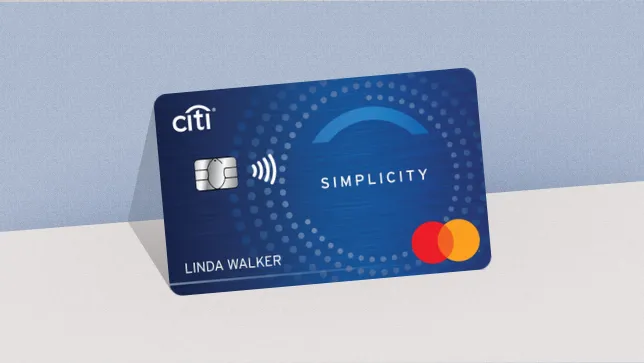
Digital credit cards are playing a transformative role in today’s fast-paced, technology-driven world. With financial technology evolving rapidly, these virtual payment tools are significantly altering consumer behavior. The convenience and security these cards offer are just two of the many reasons driving their popularity.
However, understanding the latest trends is crucial to truly grasp how these innovations are reshaping our spending habits and expectations. In this article, we’ll dive into the trends around digital credit cards, examining how they’re influencing the way we pay and manage our finances, while ensuring a seamless and secure consumer experience.
The rise of contactless payments
As society becomes increasingly connected, the demand for fast and efficient payment methods has spurred the growth of contactless payments. From smartphones to smartwatches, people are embracing digital credit cards and virtual wallets for their daily transactions. This shift is driven by a desire for convenience and a touch-free experience, particularly in public spaces where hygiene is a concern.
Contactless payments streamline the purchasing process, eliminating the need for physical cards by simply tapping or waving a device near a terminal. As more retailers adopt this technology, the expectation for quick, seamless transactions grows, prompting more consumers to forego traditional payment methods.
As contactless payments continue to expand, security features such as tokenization and encryption are becoming increasingly important. These technologies help protect sensitive financial information during transactions. With ongoing innovation, contactless solutions are expected to become even more widespread and integrated into everyday financial activities.
The convenience of digital wallets
Digital wallets are reshaping how consumers think about carrying money. By consolidating multiple credit cards, loyalty programs, and even transit passes into a single app, these wallets offer unparalleled convenience. Users can complete transactions quickly, keep track of their spending, and receive real-time updates, making financial management more efficient and accessible on a daily basis.
This trend not only simplifies financial management but also enhances security, as digital wallets require biometric authentication—such as a fingerprint or face ID—for access. Increasingly, digital wallets are serving as financial hubs, integrating notifications, budgeting tools, and even investment options, catering to a digitally savvy audience seeking efficiency and control over their money.
Enhanced security measures and consumer trust
With the shift to digital transactions comes a heightened need for secure payment methods. Consumer trust is paramount, and digital credit cards are employing advanced security measures to safeguard information. Technologies such as tokenization and encryption have become standard, replacing card numbers with unique digital identifiers and ensuring data protection during transmission.
Additionally, real-time fraud detection powered by artificial intelligence further bolsters defenses against unauthorized transactions. These innovations mitigate the risks traditionally associated with online payments, fostering a sense of trust among users. As a result, consumers are becoming more comfortable with digital transactions, driven by the assurance of enhanced security protocols.
Biometric authentication and digital ID
Biometric authentication—such as fingerprints, facial recognition, or even voice ID—is transforming the way people interact with digital credit cards. This method not only provides more security but also elevates user convenience. Consumers are increasingly expecting seamless experiences while maintaining high security standards, especially in an era of growing digital transactions.
The integration of biometric authentication into digital payment systems simplifies the interface, reducing the need for passwords or PINs, which are more susceptible to breaches. As digital IDs become more prevalent, they pave the way for more personalized financial services, aligning with consumer preferences for both security and ease of use.
As this technology evolves, concerns around data privacy and protection also become more relevant. Companies must ensure robust safeguards to maintain user trust and comply with regulations. Balancing innovation with security will be key to the continued adoption of biometric solutions in finance.
Future prospects and ongoing innovations
The evolution of digital credit cards is far from over. As technology advances, continuous innovations are expected to enhance user experience and functionality. From integrating AI to predict spending patterns and offer financial advice, to utilizing blockchain for increased transparency and reduced fraud, the future holds promising developments. Furthermore, as more consumers prioritize sustainable living, digital payment solutions are adapting to incorporate features that promote eco-conscious spending.
In summary, the rise of digital credit cards marks a significant paradigm shift in consumer behavior. The integration of advanced technologies, such as contactless payments, digital wallets, and biometric security, has enabled a more secure and efficient transaction process. With ongoing innovation, these virtual payment methods will continue to shape the future of finance, offering seamless, personalized experiences tailored to the needs of the modern consumer.
Looking ahead, collaboration between fintech companies, traditional banks, and regulatory bodies will be essential to sustain this growth. Ensuring interoperability, security standards, and consumer protection will remain top priorities. As innovation continues, digital credit cards are set to become even more embedded in everyday financial ecosystems.