
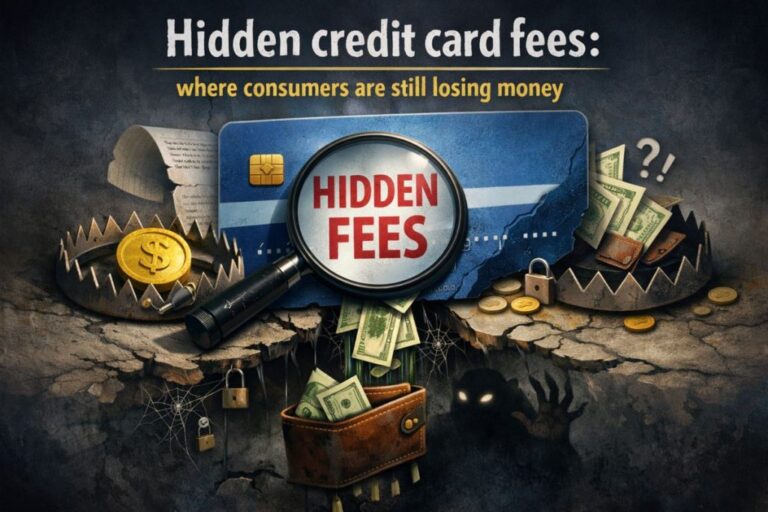
Credit card users often discover that their monthly statements are filled with unexpected charges, yet many remain unaware of where they are spending beyond their planned purchases. Hidden fees are often buried within the fine print and can accumulate over time, costing consumers significantly without them even realizing it.
Understanding the nature of these fees is essential for anyone using a card for day-to-day transactions and larger expenses. By shedding light on these costs, cardholders can take proactive steps to minimize them and save money in the long run.
Deceptive costs associated with credit cards
Though many credit card issuers advertise their products as beneficial financial tools, they’re often accompanied by costs that are not immediately obvious. Fees for transactions abroad, late payments, and cash advances can quickly add up. Moreover, annual charges often come as a surprise to those who focus primarily on advertised benefits like reward points and cashback offers.
As a result, the best approach involves a careful analysis of the credit card agreement before signing up. This includes paying attention to temporary promotions that may expire, leading to higher rates, and ensuring awareness of charges for optional services or features. Being informed empowers consumers and allows them to use their cards more strategically, avoiding unnecessary expenditures and maximizing the benefits of their financial decisions.
Unpacking common hidden fees
To tackle this issue effectively, one must first understand the typical hidden fees that lie within credit card usage. Foreign transaction fees can accumulate when shopping online with international retailers or traveling abroad, often costing an extra 2-3% per transaction.
By identifying these charges, consumers can budget more accurately and take advantage of options like fee-free cards or alerts that notify them when payments are due. Steps like these help keep spending in check and promote a healthier financial outlook. Open communication with card issuers can sometimes lead to fee waivers for responsible customers, further enhancing the financial benefits of careful card management.
Strategies to minimize credit card expenses
A focused strategy for saving on credit card-induced expenses involves both awareness and action. Start by carefully reviewing monthly statements, paying attention to any charges that seem unfamiliar. Setting up automatic payments can help ensure deadlines are met, eliminating the risk of late fees.
Lastly, don’t hesitate to reach out to credit card companies to negotiate fees or explore switching cards if your current one doesn’t align with your financial goals. An informed consumer is an empowered consumer, and taking steps to comprehend and manage hidden fees can lead to a more controlled, cost-effective usage of credit cards.
👉 Also read: Dynamic Credit Limit on Cards: What Changes in Your Relationship with Credit